A walking challenge for older adults isn’t a corporate wellness program with the ages changed. The motivations are different, the constraints are different, and what creates lasting engagement is different.
Get those right and you have something people will do for months. Get them wrong and you have a spreadsheet that dies in week two.
What actually motivates older adults to walk
The research on physical activity in older adults points clearly in one direction: social connection is the strongest driver of sustained behavior, stronger than health messaging, stronger than prizes, stronger than gamification.
People in their 60s, 70s, and 80s who walk consistently almost always have a social reason: a walking partner, a group, a class. The goal is a pretext; the relationship is the reason.
A well-designed senior walking challenge creates relationships around walking. The walking challenge gives people something to talk about — where they are on the map, who’s ahead, what landmark they just “passed through.”
Why a shared destination works for this age group
The format that works best for seniors is the shared-destination challenge: all participants’ steps combine toward one goal on a map. Everyone contributes to the same journey, regardless of how much they walk.
This format works for older adults for three specific reasons:
It’s collaborative, not competitive. There’s no leaderboard where someone is last. A person walking 2,000 steps a day is contributing to the same journey as someone walking 8,000. Their steps matter equally.
It creates something to talk about. When the group “reaches” a new city on the route, there’s news. Staff can share a fact about that city. Residents who’ve been there can share memories. A shared journey becomes shared conversation.
It’s achievable across mobility levels. You can include people using walkers, people doing laps in the hallway, people doing physical therapy walks. Anyone who moves can contribute.
How to design the challenge
Choose your destination
Pick something that will create interest and conversation throughout the journey. A few formats that work well:
A meaningful place. A city where many residents have family roots. The hometown of a beloved staff member. A place that connects to the community’s history.
A famous pilgrimage or trail. Walk the Appalachian Trail (2,193 miles — a good 3-month challenge for a large group). Walk the Camino de Santiago (500 miles — manageable in 6 weeks for a smaller group). Walk to Jerusalem (a faith-based format many communities respond to deeply).
A road trip across America. New York to Los Angeles (2,800 miles). Route 66 (2,400 miles). A route that passes through states and cities that prompt stories.
Figure out your group size and timeline
A group of 20 seniors averaging 3,000 steps each per day covers about 30 miles. At that pace:
- 500-mile Camino = 17 days of walking (3–4 weeks)
- 2,800-mile coast-to-coast = ~93 days of walking (about 3 months)
For longer routes, breaking them into legs with milestone celebrations at each leg works better than one continuous journey.
Include step equivalents for other activities
Not everyone can walk easily. A well-designed challenge includes step equivalents for:
- Water aerobics (about 1,500 steps per 30-minute session)
- Chair exercise classes (about 1,000 steps per 30 minutes)
- Physical therapy sessions (vary; use the therapist’s guidance)
- Cycling or stationary bike (about 2,000 steps per 30 minutes)
State the conversions clearly at the start and apply them consistently.
Setting up the tracking
Automatic syncing is worth the setup. An app that pulls steps from Apple Health or Google Fit removes the daily logging burden. For seniors who use smartphones, this is the simplest path.
Staff-assisted logging works for those who don’t. Some residents will prefer to report their steps to a staff member or volunteer who logs for them. Build that into your process.
Trek Together handles the shared-destination format with automatic step syncing — residents join with an invite link, and the group’s combined steps move a shared marker on a map toward the destination. Family members can also join, which creates an intergenerational dimension (more on that below).
A simple paper system works for smaller groups. A posted map with a pushpin that moves each week, updated by a dedicated volunteer, creates a physical anchor for the challenge that people see every day.
The intergenerational angle
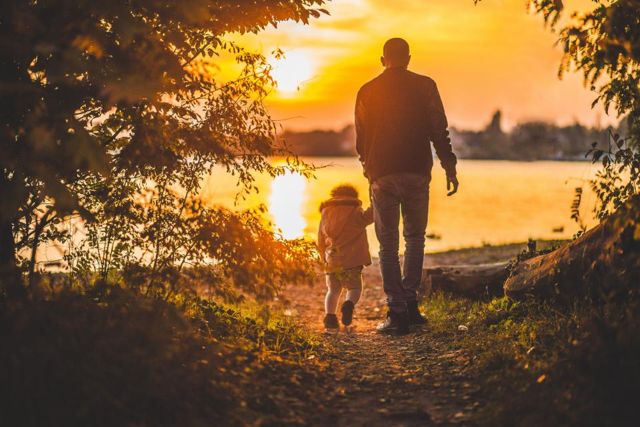
One of the most powerful versions of this challenge extends to family members. Grandchildren, adult children, and other family members can join the same group journey and contribute steps from wherever they live.
A grandmother at a senior living community in Arizona and her granddaughter in college in Ohio can walk to Washington D.C. together. Their steps combine. They have something to talk about on Sunday calls beyond “how are you doing.”
If your community has family involvement in programming, this format gives families a reason to be involved week after week.
Weekly rhythm that sustains engagement
The challenge needs a weekly ritual to stay alive. A few things that work:
Post the map update in a common area. Physical presence matters. A map on the community bulletin board that shows where the group is this week creates ambient awareness even for people who aren’t actively participating.
A weekly announcement at a meal or gathering. Share the total miles walked, where the group is now, and one fact or story about that location. Keep it to two minutes.
Milestone celebrations. Mark significant moments in the journey: leaving the east coast, crossing the Mississippi, entering a new country. Even small celebrations — a dessert at dinner, a photo opportunity at the “milestone marker” — give the challenge shape.
Recognize consistency as well as totals. Find the person who has logged every single day, even if their totals are modest. That’s the participant worth celebrating.
Starting the challenge
The most important step is making it easy to join. A challenge that requires a complex signup process or technical hurdle will lose half your potential participants before it starts.
Keep the join process simple: a signup sheet at the front desk, or an invite link that works on their phone. Build in a “helper” — a staff member, volunteer, or enthusiastic resident who helps others get set up in the first week.
Then step back and watch people find their walking partners.
Trek Together is an iPhone app for group walking challenges that works well for senior communities: a shared journey, map-based progress, and Apple Health syncing that family members can join from anywhere. Free 7-day trial, then $4.99/month.